

Shipping giant Maersk warns: Red Sea disruptions could last into second half
2024-02-29 10:09:10
Click:
“
Red Sea disruptions may continue, with Maersk adding about 6% of capacity to offset delays...
”
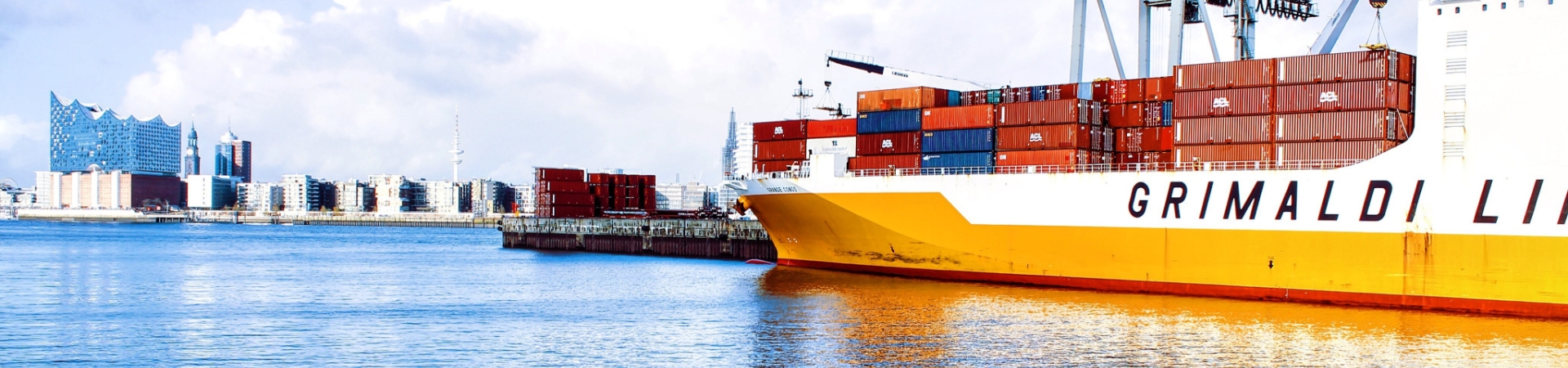
Global trade leader Maersk has warned that disruptions to container shipping through the Red Sea will last into the second half of this year, with cargo bound for the United States experiencing severe congestion and delays.
Major container shipping lines have switched from the Red Sea and Suez Canal to longer routes around Africa's Cape of Good Hope following Houthi attacks on shipping.

"Be prepared for the situation in the Red Sea to continue into the second half of the year and build additional shipping times into your supply chain planning," Charles van der Steene, Maersk's head of North America, said in a statement on Tuesday.
Maersk said it had increased capacity by about 6% to offset delays as ships took longer routes around southern Africa.
The Copenhagen-based company also told customers, which include retail giants such as Walmart and Nike, to prepare for higher supply chain costs, with longer sailing times already pushing up freight rates.

Vanderstein said many customers factor unit costs into their budgets, and if this volatility causes conditions to fundamentally change, it could have a significant impact on overall costs.
A statement issued by Maersk on Tuesday said that due to transportation delays, demand in the global air cargo market surged by 5% in January compared with 2023, and capacity increased by 12% accordingly.
A report from JPMorgan in early February showed that ocean freight spot rates - the one-time fee shippers pay to transport goods at current market prices - have soared in recent weeks due to the Red Sea shipping crisis.
Longer sailing times across Africa also mean significant delays for ships heading to the U.S. East Coast, Maersk said, advising customers to consider shipping East Coast-bound cargo at other ports such as Mexico, the Pacific Northwest and Los Angeles.

In order to reduce the extended transportation time caused by the diversion of goods around the Cape of Good Hope in Africa, Maersk provides sea and air combined transportation services from Asia via Los Angeles to Europe by air, providing customers with solutions to minimize supply chain delays.
Other shipping majors continue to divert traffic from the Red Sea amid rising tensions, including Germany's Hapag-Lloyd, which reiterated its decision to continue avoiding the Suez Canal and the Red Sea.
Maersk noted that severe congestion in Oakland, California, was also causing delays for container ships returning to Asia to pick up cargo.

Despite the Red Sea crisis and supply chain pressures, Maersk reported strong results for 2023, with revenue reaching $51.1 billion and an EBIT margin of 7.7%, driven by lower freight rates.
Maersk CEO Vincent Clerc said the company needed to see further progress in its logistics business to achieve its goals. “The current market remains one of strong volume, but while the Red Sea crisis immediately caused capacity constraints and temporary increases in freight rates, ultimately, an oversupply of capacity will lead to price pressures and impact our results.”
Author:
GUANGZHOU RONGXIN LOGISTICS CO., LTD
From:
Content comes from Jinshi Data
0
-

Freight Rate Trend Table (Past 6 months, China → North Europe, USD/FEU spot)
-
Qinzhou Port saw steady growth of ASEAN sea freight volumes in early October.
-
Yangshan Deep-Water Port of Shanghai reported stable throughput during the National Day holiday window.
-
Yantian Port in Shenzhen set a new national single-vessel container handling record
-
Huanghua Port launched its first direct China-Europe block train to Duisburg
-
Maersk released its latest Middle East shipping operational update



SHARE
Quick Links
Quick Links
Quick Links
ceo@rongxin.cn.com
+86 020-81635220/ +86 020-81635220
Room 1604,16 / F, Fortune Building, 152 Xiwan Road, Liwan District, Guangzhou

GUANGZHOU RONGXIN LOGISTICS CO., LTD
ceo@rongxin.cn.com
+86 020-81635220/ +86 020-81635220
Office 203A-2, Tairong Business Center, 63 Xizeng Road, Liwan District, China

点击右上角
分享给朋友吧
©2022 GUANGZHOU RONGXIN LOGISTICS CO., LTD
