



The Chinese Yuan suddenly soared!
2024-03-26 09:38:24
Click:
“
On March 25, the RMB exchange rate market experienced another turmoil. In early trading, the RMB exchange rates both at home and abroad soared by about 400 basis points. Among them, the exchange rate of RMB against the US dollar in the domestic onshore market once regained the 7.2 mark and hit a high of 7.1902; the exchange rate in the offshore market also rose to 7.2316. The market was surprised by this sudden change, and foreign exchange traders expressed their surprise.
”
At first, the market believed that this rally may be related to Japanese officials' statements that they were preparing to intervene in the currency market and support the yen. This signal reduced the market's short enthusiasm for Asia-Pacific currencies, thereby promoting a rebound in the RMB exchange rate. However, after in-depth analysis, some investment institutions believe that the RMB exchange rate has been undervalued before, and the excessive decline in the RMB exchange rate caused by the unexpected interest rate cut by the Swiss National Bank last Friday also provided impetus for this rebound. Overseas investment institutions generally believe that there is a strong need for repair of the RMB exchange rate.
As overseas investment institutions rushed to buy the bottom, the RMB exchange rate quickly climbed to an intraday high in early trading. However, market sentiment changed in the afternoon, and the RMB exchange rate fell, giving up some of its early gains. As of 19:00 on March 25, the domestic and overseas RMB exchange rates were stable at around 7.21 and 7.25 respectively.
Hong Kong private equity fund managers said that the high US dollar index has limited the rise of the RMB exchange rate, which has led to overseas quantitative funds selling short arbitrage on highs. However, after the RMB exchange rate suddenly rose on March 25, the market believed that its bottom may be around 7.23, and expected that as China's economy improves and the Federal Reserve cuts interest rates, the bottom range will rise, possibly regaining the 7.2 mark.

In early trading on March 25, the domestic and foreign RMB exchange rates experienced a significant surge, with an increase of approximately 400 basis points. This unexpected change surprised the foreign exchange market. After analysis, this surge may be related to Japan's preparations to intervene in the foreign exchange market to stabilize the yen exchange rate. As Japanese Ministry of Finance officials clearly expressed concerns about excessive fluctuations in the yen and hinted at possible intervention measures, overseas speculative capital quickly adjusted their strategies and reduced short-selling operations against the yen and other Asia-Pacific currencies. This adjustment indirectly affected the trend of the RMB exchange rate, causing it to rise sharply.
The market reacted quickly to this and began to reassess its original expectations about the pace of interest rate cuts in Western countries and the trend of the U.S. dollar index. Some overseas investment institutions believe that the bottom range of the RMB exchange rate may be affected by this incident and may increase, and may continue to rise in the future.
Overall, the sharp rise in the RMB exchange rate in early trading on March 25 was a complex market reaction involving the combined influence of multiple factors.
In early trading on March 25, the yen and the renminbi rose simultaneously. This reflected speculative capital's concerns about the possible intervention in the foreign exchange market by the central banks of Asia-Pacific countries, so they increased their purchases of Asia-Pacific currencies such as the renminbi and the yen. However, the main reason that really drove the sharp rise in the RMB exchange rate was that foreign investment institutions believed that the RMB exchange rate fell excessively last Friday. Behind this oversold phenomenon is the unexpected impact of the Swiss National Bank's unexpected interest rate cut on the RMB exchange rate.
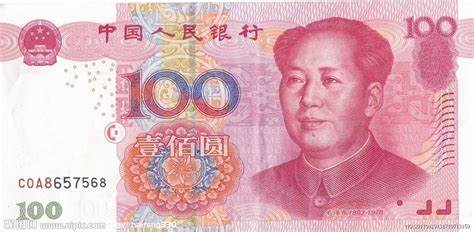
Although the RMB exchange rate fell in the afternoon due to the high performance of the U.S. dollar index, this did not change the enthusiasm of foreign investment institutions for hunting down the RMB exchange rate. In addition, the expansion of domestic and overseas RMB exchange differences may also trigger cross-border exchange transactions, thereby dragging down the domestic and overseas RMB exchange rates. Overall, despite the correction pressure, the positive attitude of foreign investment institutions towards the RMB has not changed.
The RMB exchange rate has suddenly risen sharply recently, and the market generally believes that this shows that the bottom range of the RMB exchange rate is gradually emerging. There is a strong enthusiasm for bargain hunting in the market, indicating that the foreign exchange market generally believes that the current reasonable valuation of the RMB exchange rate should not be lower than 7.23. Behind this trend is the large-scale increase in holdings of domestic bonds by overseas capital, which provides strong support for the RMB exchange rate.

In recent years, the RMB exchange rate has experienced multiple bottoming and stabilizing processes, showing a volatile adjustment trend. This "roller coaster" trend involves the combined influence of multiple factors. In order to control the exchange rate, the central bank has a series of toolboxes, including adjusting foreign exchange risk reserves, countercyclical factors, foreign exchange reserves, etc. These measures have a certain effect on restraining the depreciation and appreciation of the RMB. However, it should be noted that most of these tools play a certain role in the short term and cannot change the long-term trend of the RMB exchange rate.
Generally speaking, the trend of RMB exchange rate is complex and changeable, and is affected by various factors such as domestic and foreign economic environment, policy adjustments, and market sentiment. The central bank will flexibly use various tools for regulation based on market conditions and policy needs to maintain exchange rate stability and the smooth operation of the market.
Author:
GUANGZHOU RONGXIN LOGISTICS CO., LTD
From:
Reprinted from Maritime News Network
0
-

Freight Rate Trend Table (Past 6 months, China → North Europe, USD/FEU spot)
-
Qinzhou Port saw steady growth of ASEAN sea freight volumes in early October.
-
Yangshan Deep-Water Port of Shanghai reported stable throughput during the National Day holiday window.
-
Yantian Port in Shenzhen set a new national single-vessel container handling record
-
Huanghua Port launched its first direct China-Europe block train to Duisburg
-
Maersk released its latest Middle East shipping operational update



SHARE
Quick Links
Quick Links
Quick Links
ceo@rongxin.cn.com
+86 020-81635220/ +86 020-81635220
Room 1604,16 / F, Fortune Building, 152 Xiwan Road, Liwan District, Guangzhou

GUANGZHOU RONGXIN LOGISTICS CO., LTD
ceo@rongxin.cn.com
+86 020-81635220/ +86 020-81635220
Office 203A-2, Tairong Business Center, 63 Xizeng Road, Liwan District, China

点击右上角
分享给朋友吧
©2022 GUANGZHOU RONGXIN LOGISTICS CO., LTD
